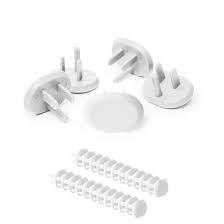
Electricity powers our homes, but to a curious child, an electrical socket can look like a fascinating toy. Every year, children suffer electric shocks because they insert fingers, keys, hairpins, toys, or other metal objects into electrical outlets.
The good news is that these accidents are almost always preventable. With a few simple safety measures, you can make your home much safer for babies, toddlers, and young children.
Why Are Electrical Sockets Dangerous?
Children learn by touching and exploring everything around them. Standard electrical outlets are often positioned at a child’s eye level, making them easy to reach.
A child may try to insert:
- Keys
- Hairpins
- Coins
- Metal spoons
- Screwdrivers
- Toy parts
- Paper clips
If the object touches live electrical contacts, it can result in:
- Severe electric shock
- Burns
- Muscle damage
- Cardiac arrest
- Permanent disability
- Death in severe cases
Even if the injury appears minor, electric shock can cause internal injuries that require immediate medical attention.
Warning Signs Your Home May Not Be Child Safe
Your home may have hidden electrical hazards if:
✔ Unused sockets are left uncovered
✔ Power strips are within a child’s reach
✔ Extension cords run across the floor
✔ Damaged outlets have cracked covers
✔ Electrical cords are hanging from tables
✔ Chargers remain plugged in unnecessarily
✔ Children can easily access appliances
If you answered yes to any of these, it’s time to improve your home’s electrical safety.
How to Childproof Electrical Sockets
1. Install Tamper-Resistant Outlet Covers
The simplest and most affordable protection is installing tamper-resistant outlet covers or socket protectors.
These covers prevent children from inserting fingers or objects into electrical outlets while allowing adults to remove them when needed.
Look for high-quality covers that fit securely and cannot be removed easily by small children.
2. Use Tamper-Resistant Electrical Outlets
If you’re renovating or building a new home, consider installing tamper-resistant receptacles (TRRs).
Unlike removable covers, these outlets contain internal safety shutters that only open when equal pressure is applied to both slots, making them much safer for children.
3. Keep Furniture Away from Outlets
Avoid placing beds, sofas, or chairs directly against sockets where children may climb and gain access.
Creating clear space around outlets makes it easier to supervise children and reduces opportunities for dangerous play.
4. Secure Power Strips
Power strips often contain multiple live outlets and are attractive to children.
Use power strip safety covers or place power strips:
- Behind furniture
- Inside cable management boxes
- Out of children’s reach
Never leave unused outlets exposed.
5. Hide Electrical Cords
Loose cables create two dangers:
- Children may pull appliances onto themselves.
- Damaged cords can expose live wires.
Use:
- Cable organizers
- Cord covers
- Cable clips
- Protective conduit
Replace damaged cables immediately.
6. Never Allow Children to Play Near Electrical Appliances
Teach children that electrical appliances are not toys.
Keep young children away from:
- Fans
- Heaters
- Electric kettles
- Irons
- Extension reels
- Chargers
Always unplug appliances when they are not in use.
7. Avoid Overloading Sockets
Plugging too many appliances into one outlet increases the risk of overheating and electrical fires.
Use quality surge protectors where necessary and avoid stacking multiple extension leads together.
8. Keep Electricity Away from Water
Water and electricity are a dangerous combination. Kitchens, bathrooms, laundry areas, and outdoor spaces are especially vulnerable because moisture can enter electrical outlets and increase the risk of electric shock.
Teach children never to:
- Touch switches or sockets with wet hands.
- Use electrical appliances near sinks, bathtubs, or swimming pools.
- Play with extension cords outdoors during wet weather.
For outlets installed in kitchens, bathrooms, patios, garages, or other damp locations, consider installing weatherproof or splash-resistant outlet covers. These protective covers help shield outlets from accidental water splashes, dust, and moisture while also making them more difficult for curious children to access.
9. Replace Broken Outlets Immediately
A cracked outlet plate may expose live electrical components.
If you notice:
- Loose outlets
- Burn marks
- Sparks
- Buzzing sounds
- Broken faceplates
Have the outlet repaired or replaced by a qualified electrician immediately.
10. Teach Children About Electrical Safety
Even the best safety devices cannot replace supervision.
As children grow, teach them:
- Never insert objects into sockets.
- Never touch damaged wires.
- Never climb near electrical equipment.
- Tell an adult if they notice damaged outlets.
Creating awareness early builds safe habits for life.
What Should You Do If a Child Receives an Electric Shock?
If a child comes into contact with electricity:
❌ Do NOT touch them while they are still connected to the electrical source.
✅ Switch off the electricity at the main breaker if it is safe to do so.
✅ Use a dry wooden object or other non-conductive material to separate the child from the source if necessary.
✅ Call emergency medical services immediately.
Even if the child seems fine afterward, seek medical evaluation because electrical injuries may not be immediately visible.
Recommended Child Safety Products
To improve electrical safety in your home, consider:
- Tamper-resistant outlet covers
- Tamper-resistant electrical outlets
- Power strip safety covers
- Cable management boxes
- Cable clips
- Cord protectors
- Childproof extension cord covers
- Surge protectors
- GFCI/RCD protection devices where appropriate
Frequently Asked Questions
Are socket covers enough to protect children?
Socket covers help reduce risk, but they should be used alongside supervision, proper cable management, and safe electrical installations.
Are tamper-resistant outlets better than removable covers?
Yes. Tamper-resistant outlets provide built-in protection and eliminate the risk of children removing plastic covers.
Can a child get electrocuted from a phone charger?
A properly functioning charger presents a much lower risk than an exposed outlet, but children should still not play with chargers or cables. Damaged chargers should be replaced immediately.
Should extension cords be left plugged in?
Only when necessary. Unplug extension cords when they are not in use and keep them out of children’s reach.
Protect Your Family Today
Electrical accidents can happen in seconds, but they are often preventable with the right precautions. By childproofing your electrical outlets, securing cords, and teaching children about electrical safety, you can significantly reduce the risk of electric shock and burns in your home.
Want to discover dozens more hidden hazards that could put your child at risk? Download our comprehensive Child Safety Guide and learn practical, room-by-room safety tips to help create a safer home for your family.
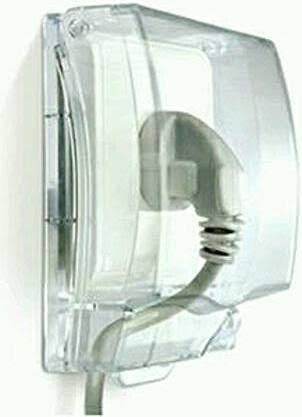
Designed for damp and outdoor locations, these covers help shield electrical outlets from water, dirt, and curious little hands.