
Introduction
The kitchen is the heart of the home, but it’s also the most dangerous room when it comes to fires.
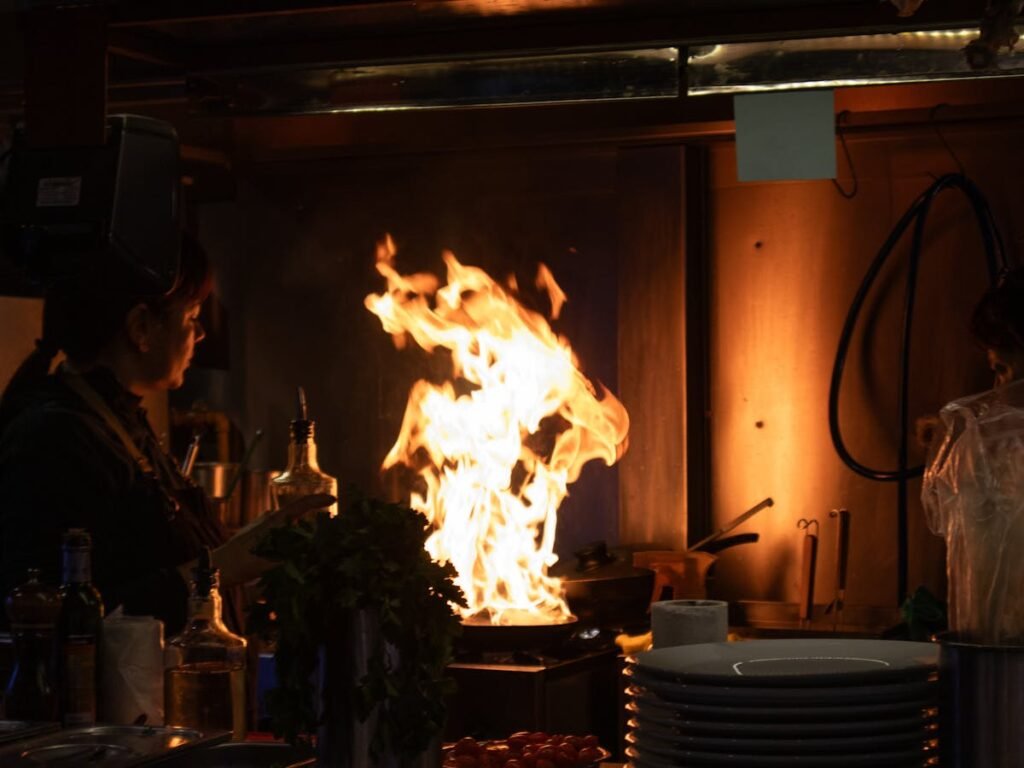
Most house fires start in the kitchen, often during everyday cooking. What makes this even more concerning is how quickly a small mistake, like leaving food unattended or overheating oil can turn into a serious emergency.
If you have children at home, the risk increases even more.
The good news? Most kitchen fires are completely preventable with a few simple habits.
In this guide, you’ll learn practical kitchen fire safety tips you can start using today to protect your home and your family.
Common Causes of Kitchen Fires
Before we talk about prevention, it’s important to understand what actually causes kitchen fires:
- Unattended cooking (the #1 cause)
- Grease and oil fires
- Flammable items near the stove (towels, paper, curtains)
- Overheated cooking oil
- Electrical faults or overloaded sockets
- Children accidentally turning on stoves or touching hot surfaces
Most of these are simple mistakes, which means they’re avoidable.
10 Kitchen Fire Safety Tips at Home
1. Never Leave Cooking Unattended
If you’re frying, grilling, or boiling, stay in the kitchen. Even stepping away for a minute can lead to a fire.
2. Keep Flammable Items Away from Heat
Items like paper towels, wooden utensils, and cloths should be kept far from the stove.
3. Turn Pot Handles Inward
This prevents children from pulling hot pots down and reduces the risk of spills and burns.
4. Always Keep a Lid Nearby
If a grease fire starts, placing a lid over the pan can quickly smother the flames.
5. Never Use Water on a Grease Fire
Water will make it worse by spreading the fire. Instead, turn off the heat and cover the pan.
6. Install and Maintain Smoke Detectors
Make sure you have a working smoke detector near the kitchen — and test it regularly.
7. Keep Your Cooking Area Clean
Grease buildup can easily ignite. Regular cleaning reduces this risk significantly.
8. Avoid Overloading Electrical Outlets
Too many appliances plugged into one socket can cause overheating and fires.
9. Control Cooking Temperature
Avoid overheating oil, it can ignite quickly without warning.
10. Keep a Fire Extinguisher Nearby
Having a small fire extinguisher in your kitchen can make a huge difference in an emergency.
What To Do If a Kitchen Fire Starts
Knowing how to react can save lives.
- Turn off the heat source immediately
- Cover flames with a lid or fire blanket (for small fires)
- Do NOT use water on grease fires
- Evacuate if the fire spreads
- Call emergency services right away
Never try to fight a large fire, your safety comes first.
Kitchen Fire Safety for Children
Children are naturally curious, which makes the kitchen a risky place.
Here are simple ways to keep them safe:
- Keep kids at least 1 meter away from cooking areas
- Use stove knob covers if possible
- Never hold a child while cooking
- Keep hot food and liquids out of reach
- Teach older children basic kitchen safety rules
Creating a safe environment is one of the best ways to prevent accidents.
Want a Complete Home Safety Checklist?
Kitchen safety is just one part of protecting your home.
If you want a simple, practical checklist covering kitchen, bathroom, electrical, and child safety, I’ve put everything together in an easy-to-follow guide you can use at home.
Conclusion
Kitchen fires can happen fast, but they’re often preventable.
By following these simple kitchen fire safety tips, you can reduce risks, protect your family, and create a safer home environment.
Start with small changes today, they can make a big difference tomorrow.